
Trauma-informed belonging, starting with being.
Before people can belong, they need to feel safe being. We help international schools, NGOs and organisations across Asia and beyond build cultures where people are known, safe and free to help shape the place they belong to.
Inclusion lets people in. Belonging lets them shape the place.
"Can you fit in here?"
It can open the door while leaving the room unchanged. People are welcomed, then quietly expected to adapt, code-switch and assimilate.
"Can you help shape this place?"
It builds the psychological safety and agency for every student, parent and colleague to co-create the culture, not just survive it. That is the work we do.
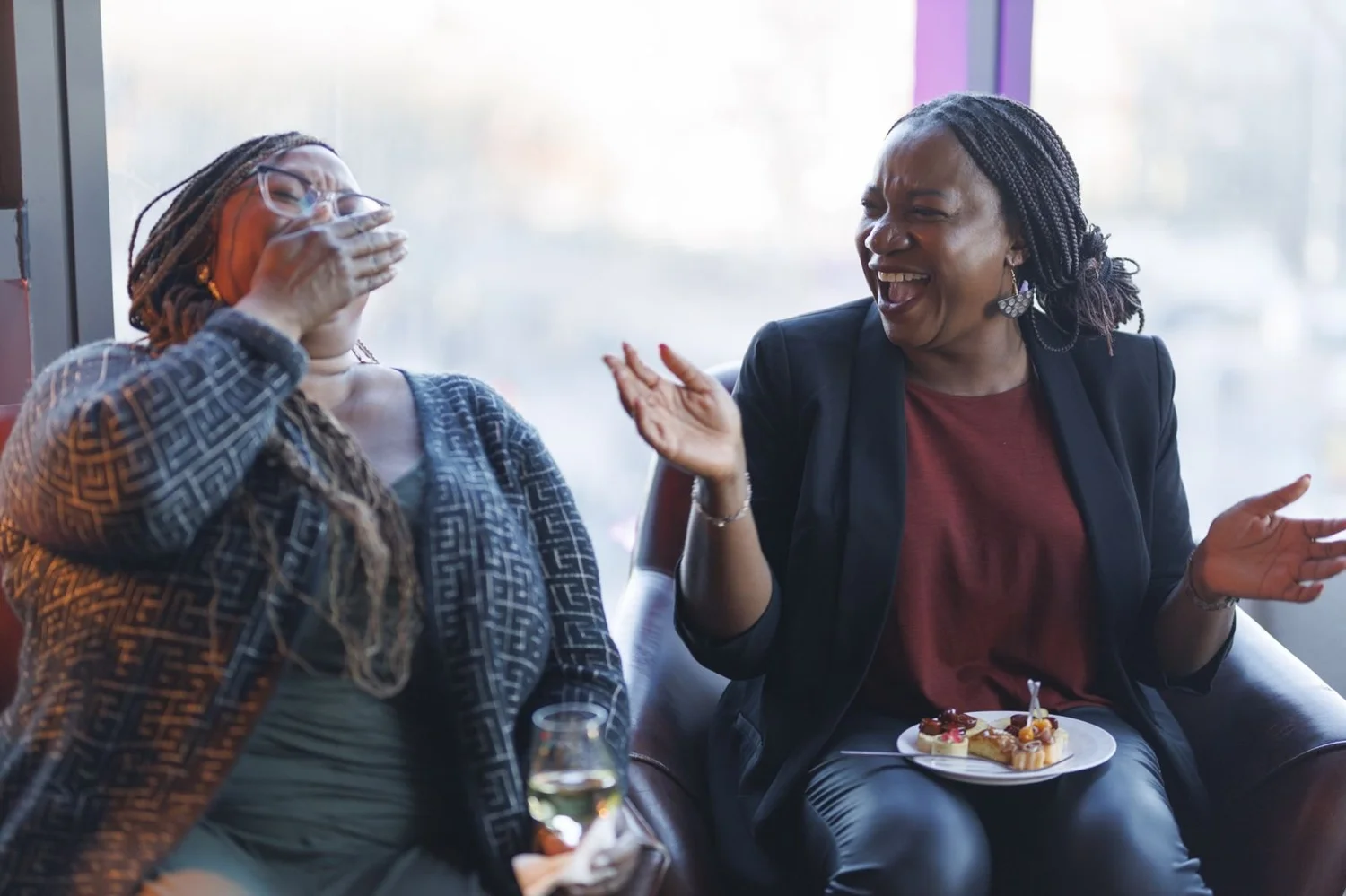
The Anatomy of Trauma-Informed Belonging
Five phases and ten pathways, developed by Nicole Bonnah, that move a community from safety to shared ownership of the place it calls home. There are many paths to healing in belonging.
Phase 1
Physical and felt safety
Inclusive spaces where bodies can settle, so people feel safe and not only are safe.
Pathways
Phase 2
Emotional safety and joy
Room for feeling, laughter and rest, not only for getting things right.
Pathways
Phase 3
Cultural competence and awareness
Understanding our own identities first, then the identities of the people around us.
Pathways
Phase 4
Resilience, advocacy and repair
Naming harm, speaking up, and repairing relationships when things go wrong.
Pathways
Phase 5
Community and connection
Belonging that lasts, because people help shape the place together.
Pathways
Further reading: Donna Jackson Nakazawa, Childhood Disrupted: How Your Biography Becomes Your Biology, and How You Can Heal (2015).
What makes Tap In different
Most DEI work starts with a survey and ends with a slide deck. Ours starts with the nervous system, the room and the stories people have not yet been asked to tell.
Trauma-informed first
We treat identity, displacement and exclusion as experiences the body carries. Every session is designed so people can stay present, not just stay polite.
We design the room
Grounding openings, warm light, blankets, scent and temperature. We track the environment as part of psychological safety, because people cannot open up in a room that feels unsafe.
Listen before we measure
Low-stakes observation and voluntary conversations come before any survey, so the data reflects lived experience rather than what people think they should say.
Creativity as evidence
Film, exhibitions and storytelling sit alongside policy. Communities see themselves reflected, and leaders hear what a report alone would miss.
Schools can be places of assimilation, or places of belonging
Trauma shapes how children learn, behave and belong, and globally mobile families may carry more of it than many schools realise. We help schools move from awareness to lasting change in four steps.
Adults reporting four or more adverse childhood experiences
One study of 1,904 adult TCKs. Crossman and Wells, Caution and Hope (2022). US figure from 23 states, 2011 to 2014, as cited in the same paper.
School-wide learning on how trauma, including racial trauma and everyday microaggressions, shapes belonging, and how schools can re-traumatise as well as restore.
Training for each division, so staff read stress responses for what they are: survival, not bad choices.
A systems-level belonging audit, using tools like our Policy Mirror, that turns what we learn into policy and practice.
Reframing the infrastructure: specialist roles, and staff, leadership and curriculum in which every child can see themselves.
Framework: National Child Traumatic Stress Network, Schools Committee (2017). Application: Tap In Think Tank.
Tools and practices for being, then belonging
Every session is built from practices that help people arrive, feel safe and speak from experience. Some are our own inventions. All of them are shaped by years in the room.
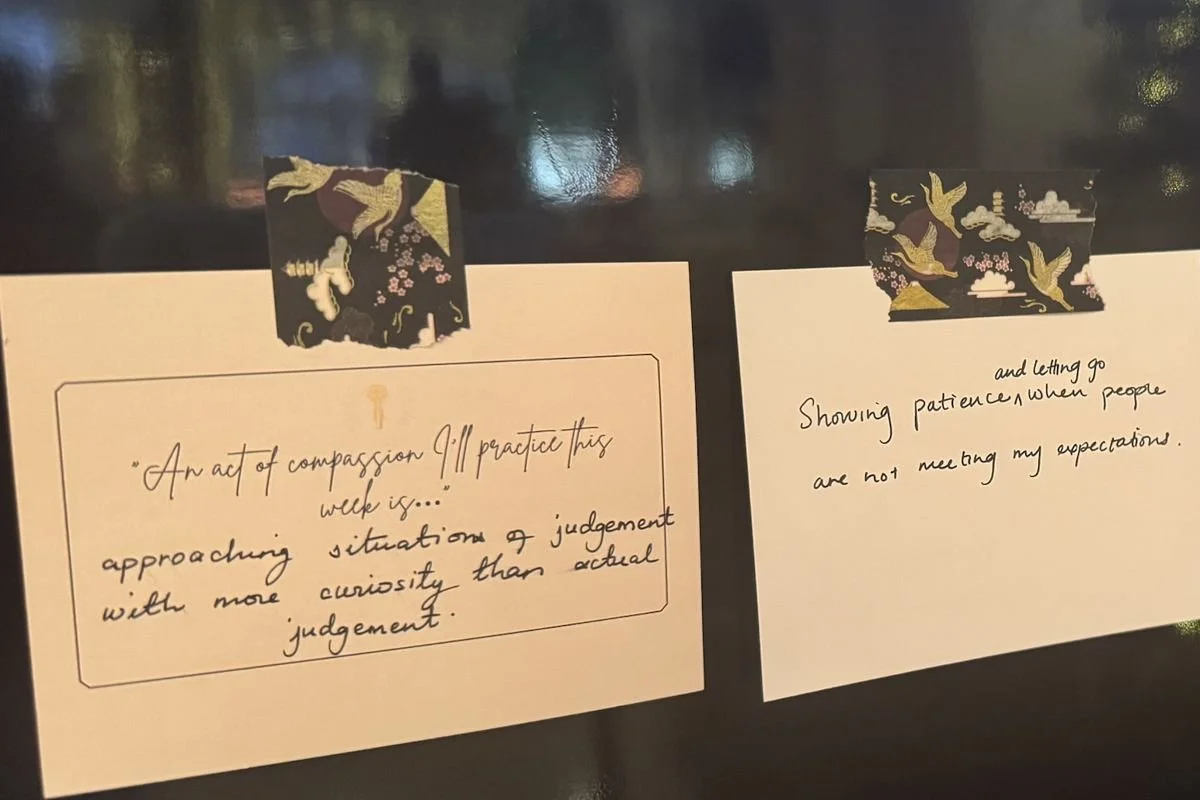
Commitment Wall
Participants write one concrete action they will take toward belonging and add it to a shared wall. Private intentions become public promises the community can see and return to.
Policy Mirror
Holds a school's policies up against people's lived experience, showing where the written commitment and the everyday reality do not match.
Confidence Compass
A self-reflection tool that helps parents and staff see where they feel ready to act on belonging, and where they need more support.
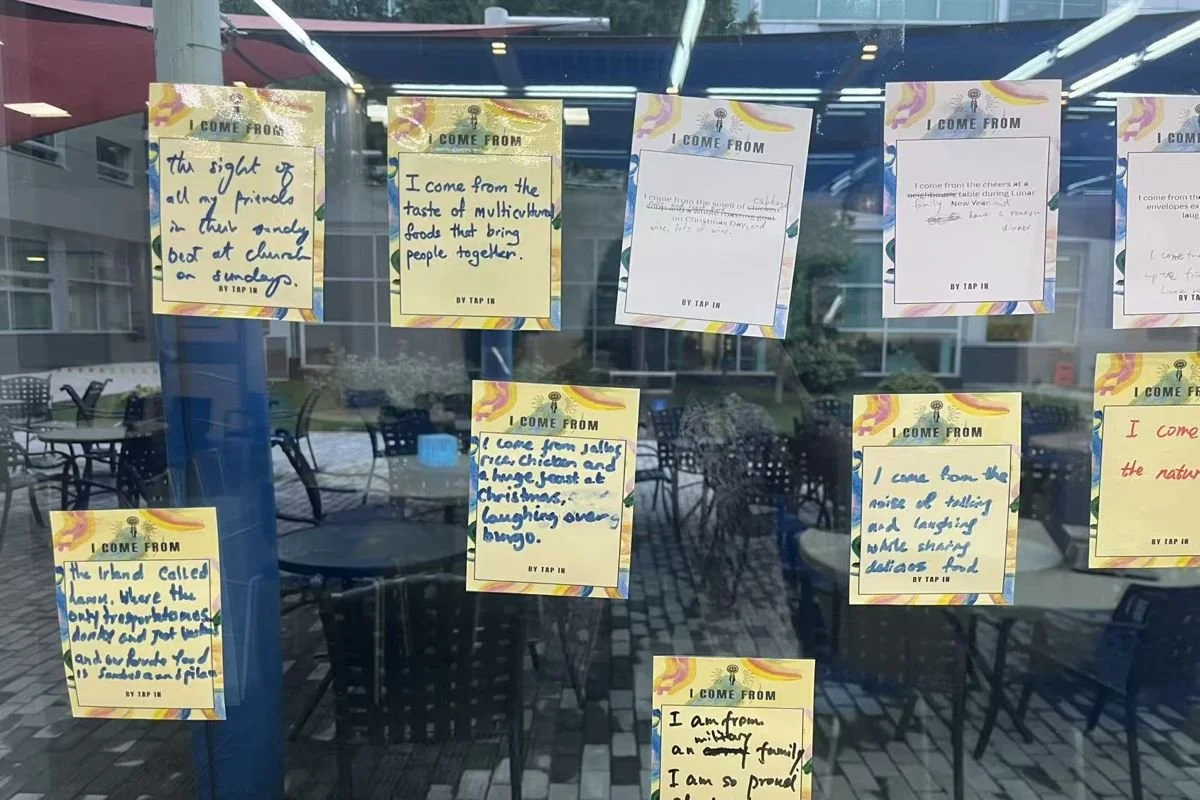
"I Come From" cards, wall and dialogues
Participants write short lines about the places, people, food, language and memories that made them. Displayed together, a room of strangers becomes a map of shared and different roots. It has also grown into a dialogue series with visiting speakers.
Inspired by the documentary We Are Poets, which follows young poets from Leeds.
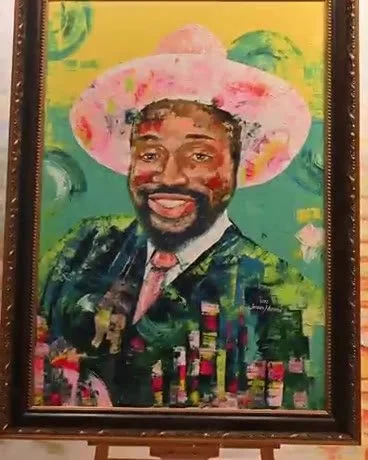
Art installations
Community-made work, like Voices of Light, that turns stories of identity and belonging into something people can walk through, see and feel.
Voices of Light. Film: Ma Xiaoya.
Community dialogue free flows
Open, lightly held conversations with no fixed agenda. We hold the space, and the community decides where it goes.
Sensory room design
Grounding openings, blankets, mood lamps and essential oil mists. We track how the room feels as part of psychological safety.
Gathering formats
Opening Circle, Long Table Dialogue, The Listening Room and The Connection Trail, alongside supper clubs, focus groups and community vigils.
Programmes for schools, organisations and communities
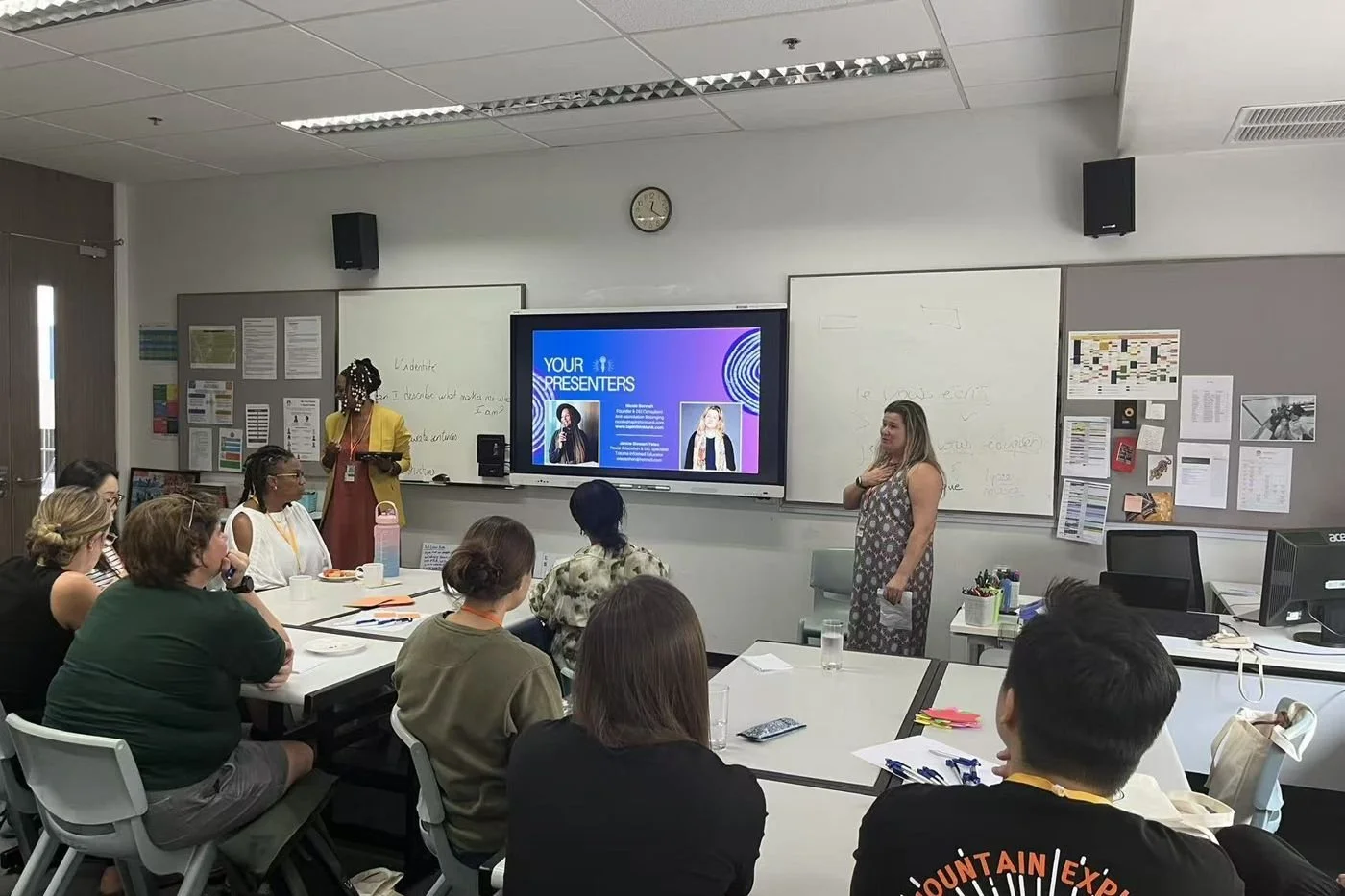
It's Not Micro
Anti-racism and belonging workshops, plus leadership and policy training for educators, HR teams, NGOs and global companies. Including The Anatomy of Inclusion, our signature workshop, tailored to each school's needs.
Enquire about training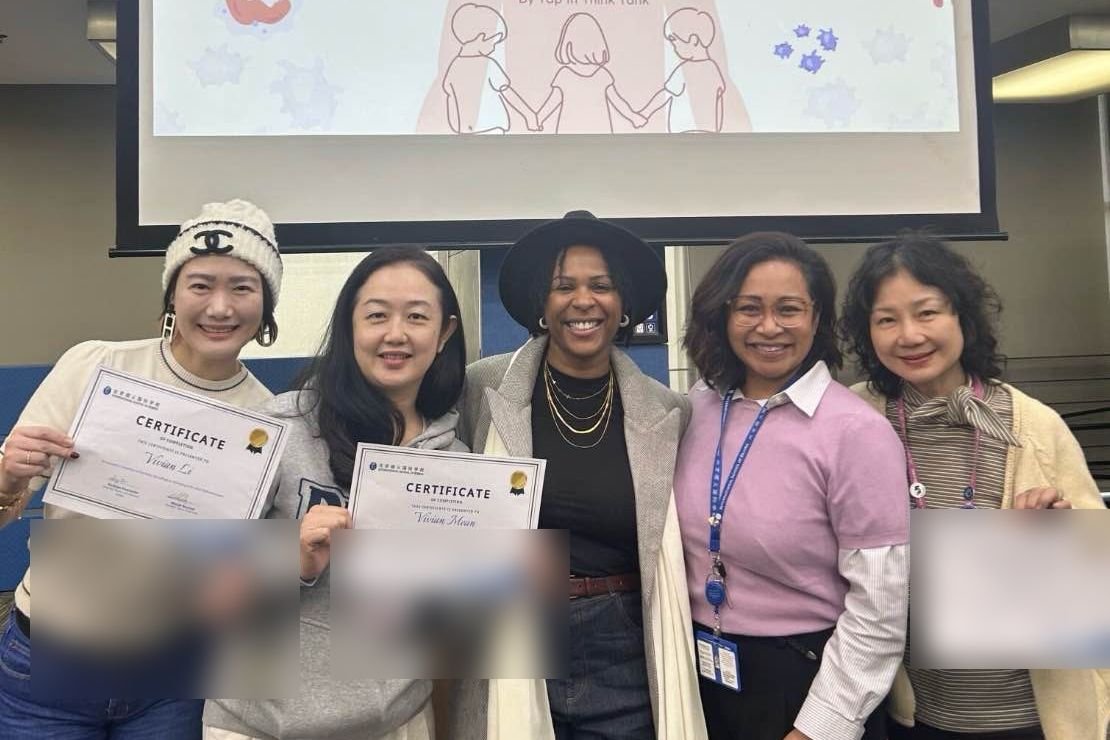
Rooted Response
A trauma-informed parent dialogue series that helps families navigate identity, transition and belonging in a new culture, together with the school.
Bring it to your school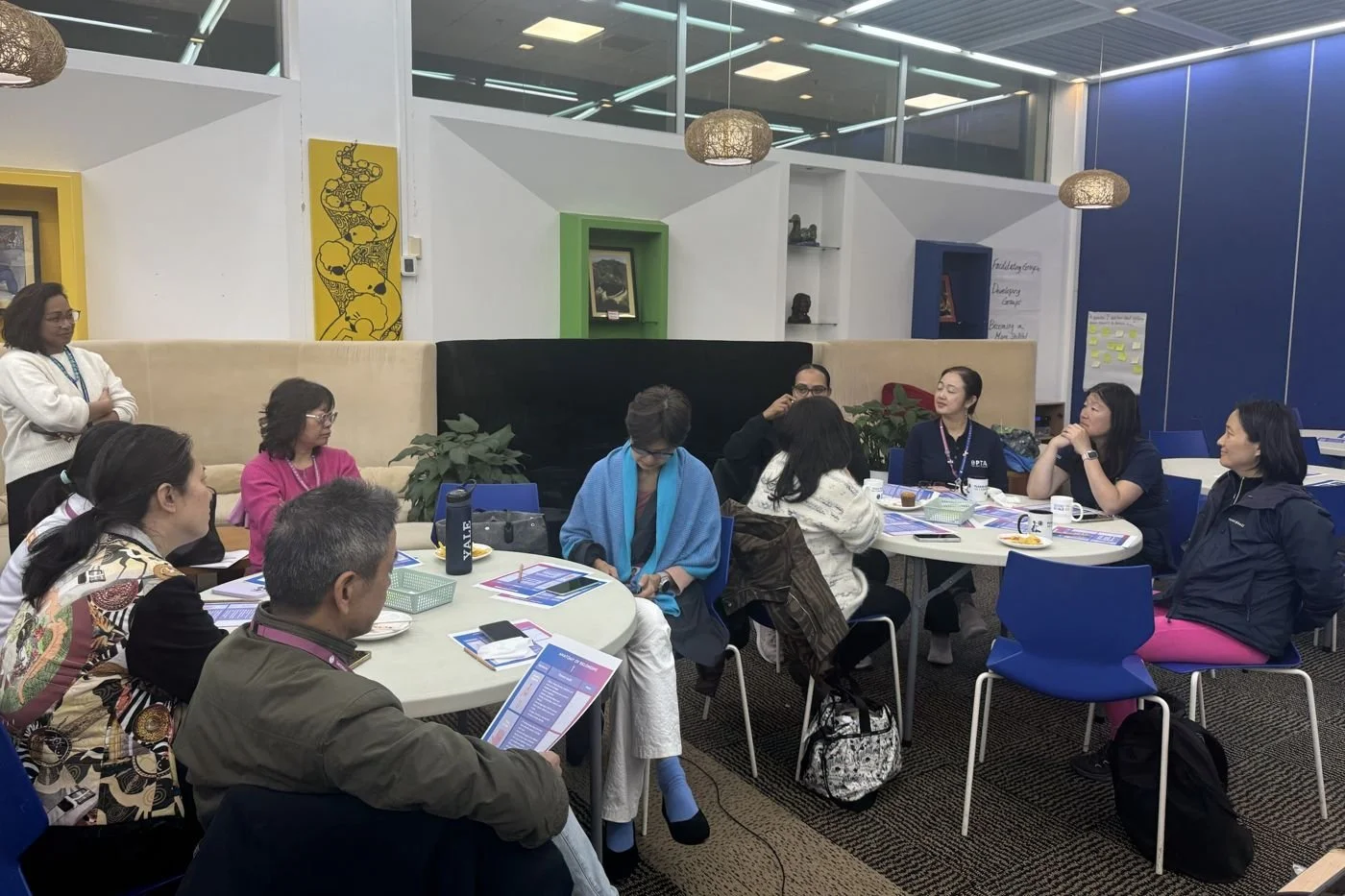
Belonging research
A listening-first study of belonging across students, families and faculty, with findings your leadership team can act on.
How the research works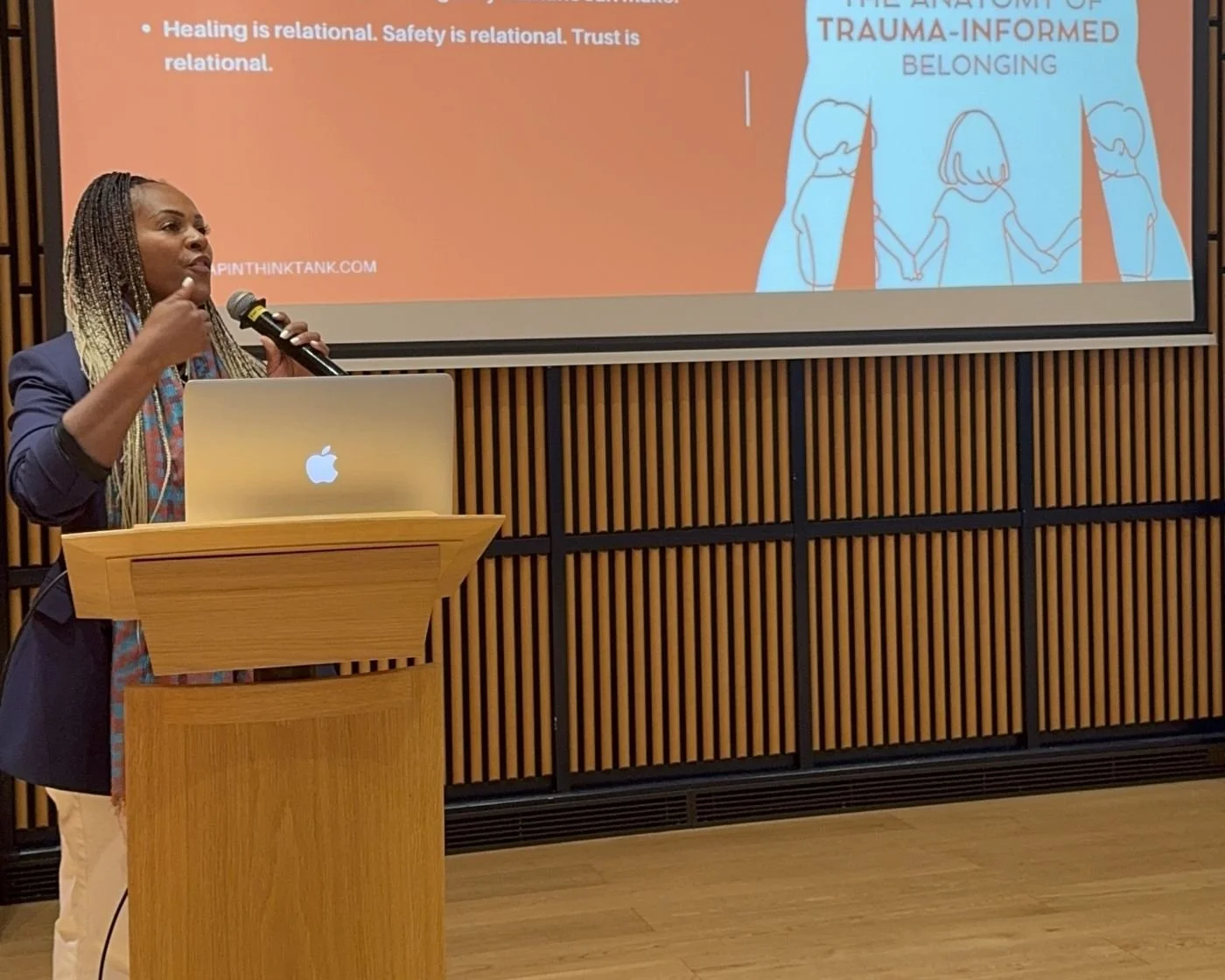
Keynotes and talks
On anti-assimilation, trauma-informed belonging and the anthropology of compassion, for staff days, symposia and conferences.
Invite Nicole to speak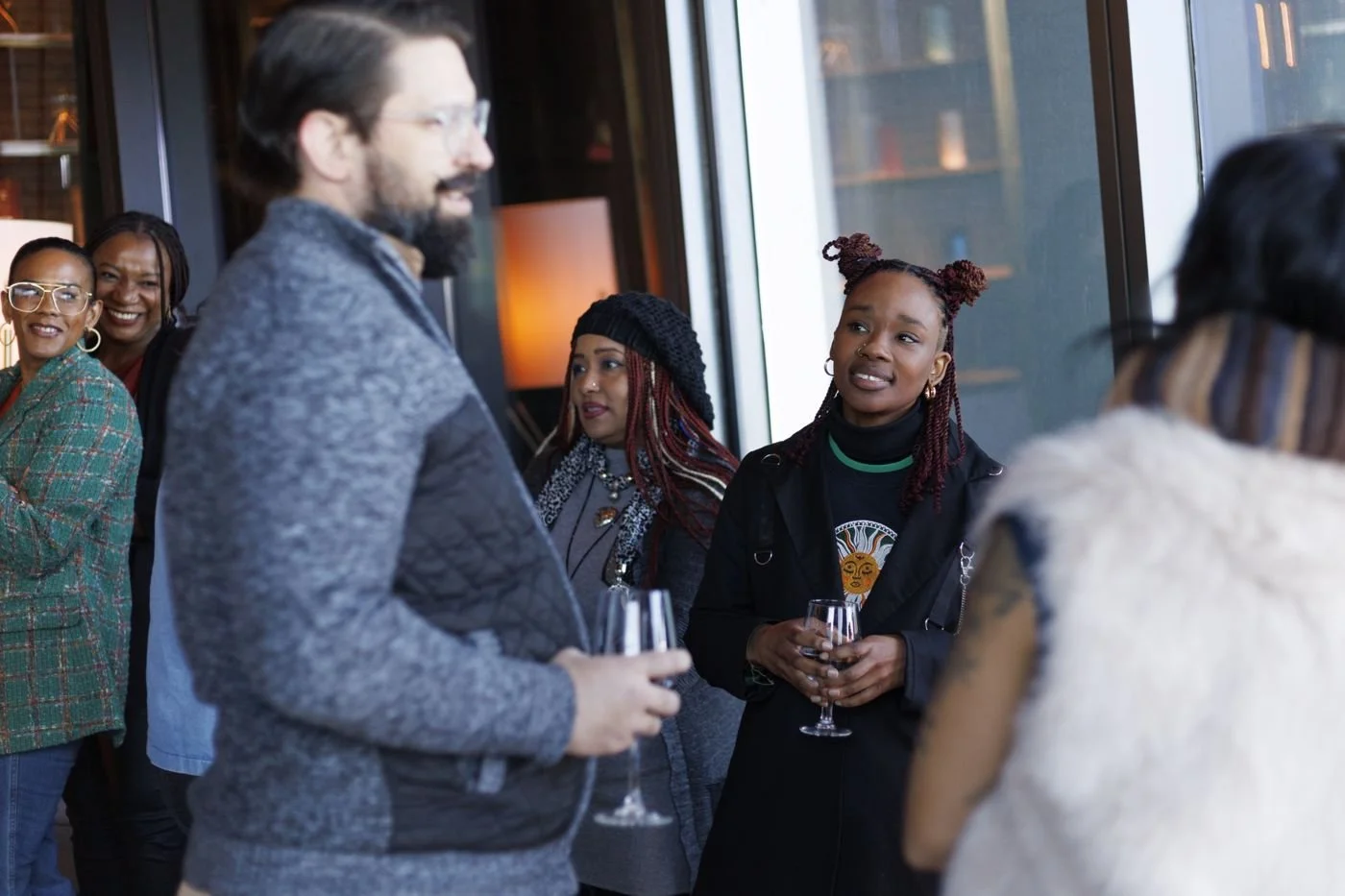
Talks on Tap, REM and Tap Into
Monthly themed dialogues with partner venues. REM, our race equality platform in Beijing, drawing on community resources from the UK organisation Race Equality Matters. Exhibitions, pop-ups and community consultation under Tap Into.
Host or partner with us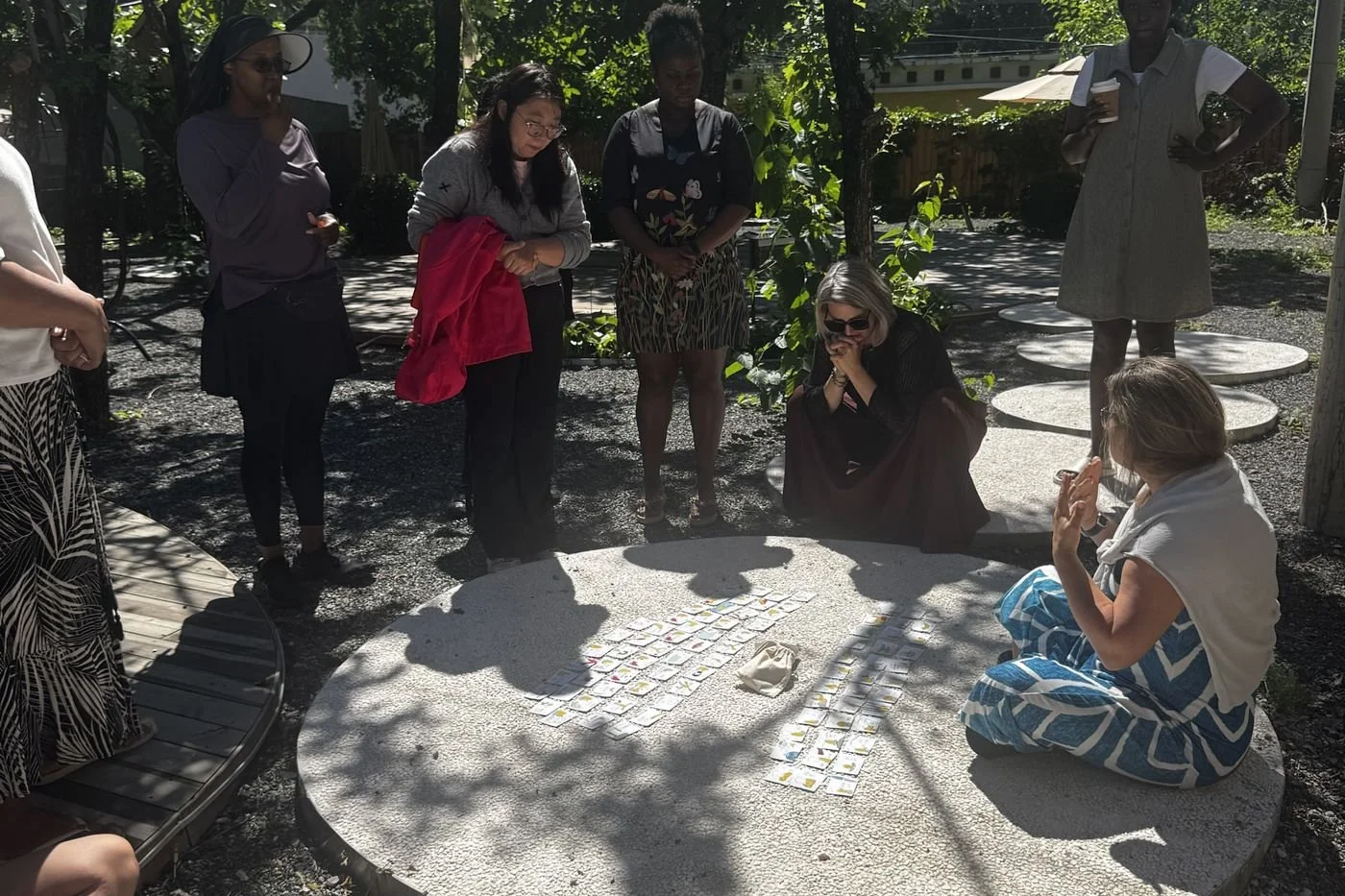
Retreats
Two days on trauma, identity and belonging in expat life, with workshops, storytelling, non-violent communication and sound healing. Our next retreat is coming soon.
Join the waitlist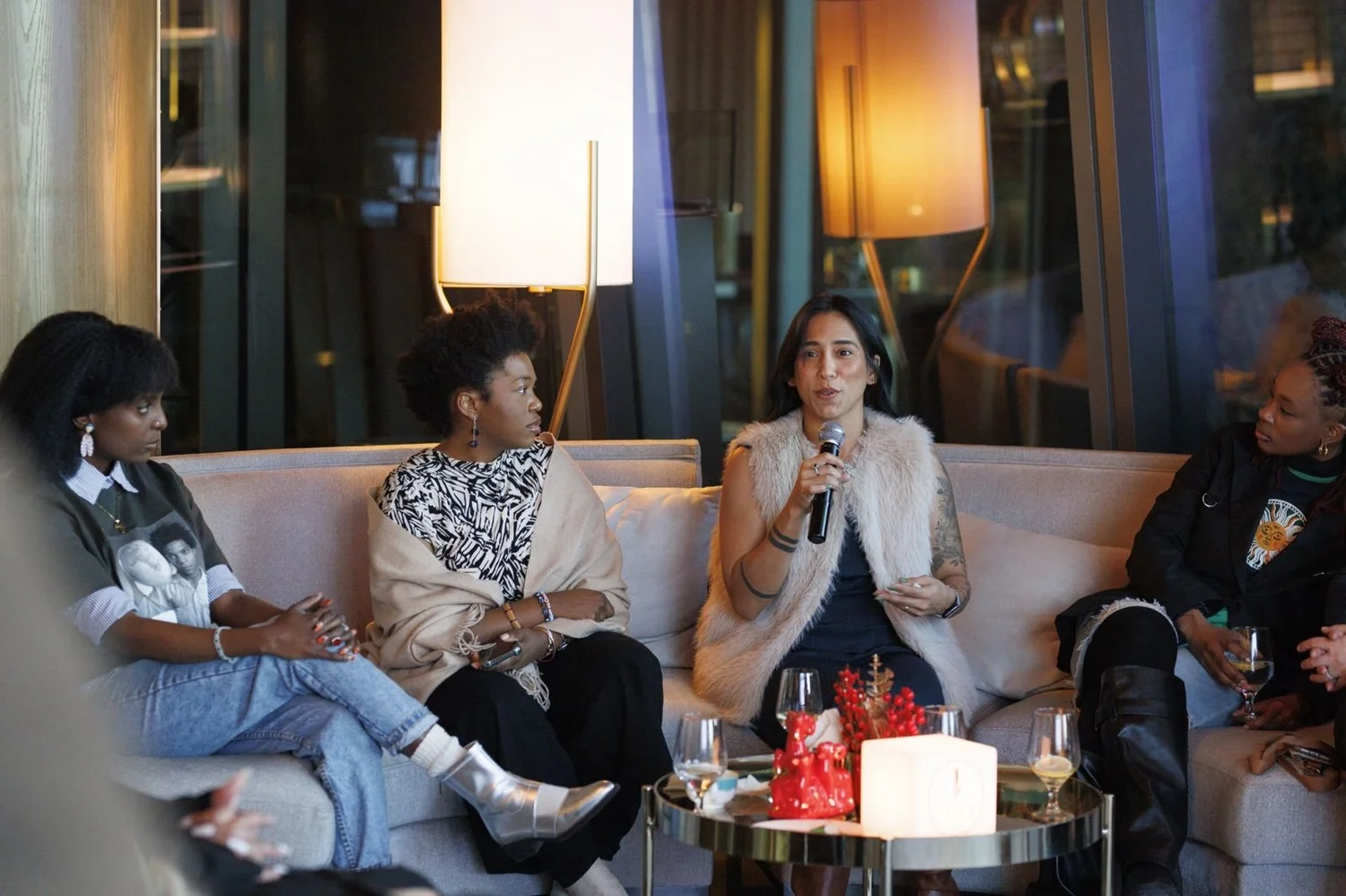

Trauma-Informed Belonging
Our study asks how international schools can cultivate belonging without asking students, families and staff to assimilate. It builds on research into third culture kids and the politics of belonging, and it begins with listening.
Designed by Nicole Bonnah and co-led with Janice Stewart-Yates, Peace Education and trauma-informed practitioner.
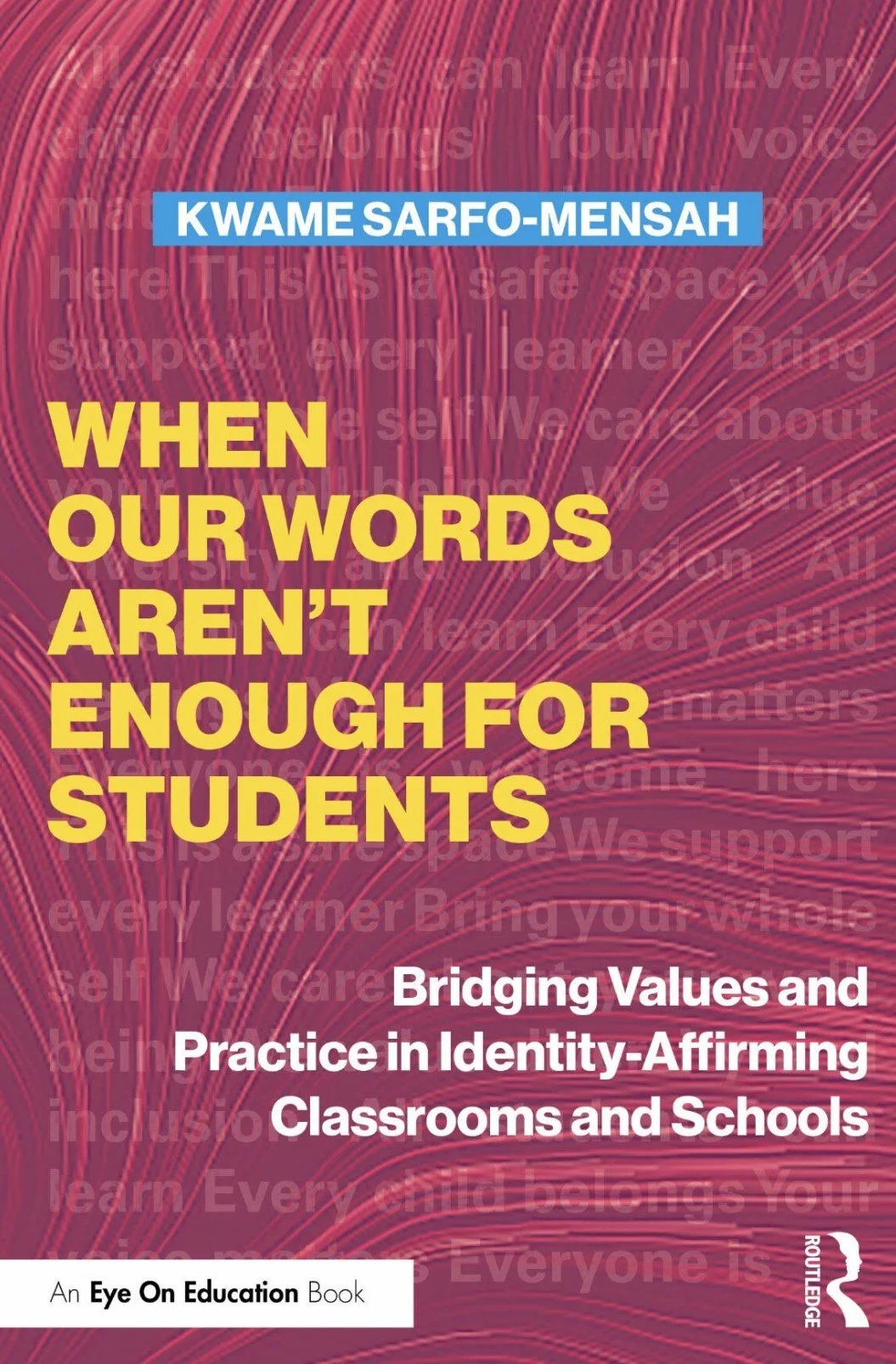
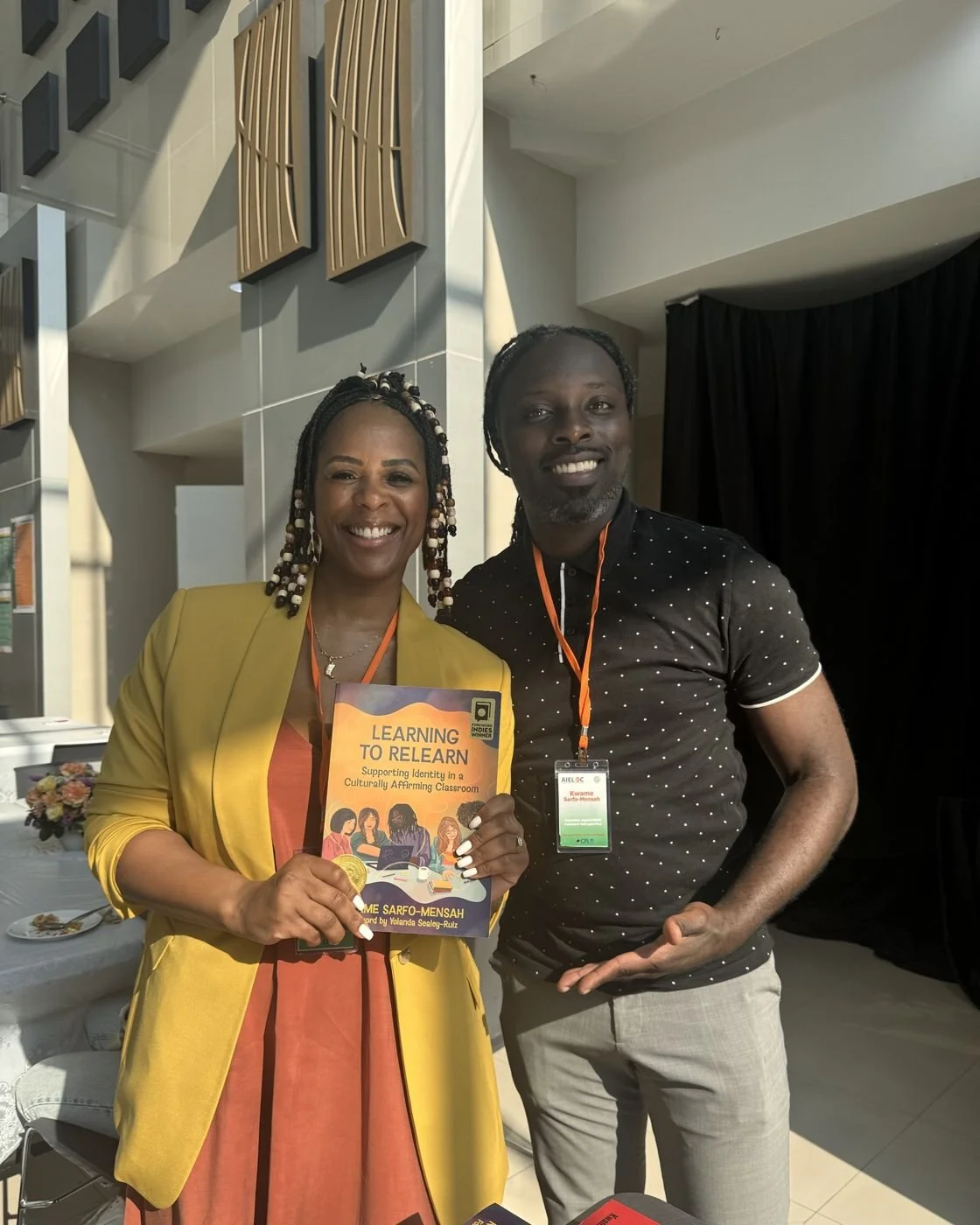
"On Grief and Other Classrooms," a narrative by Nicole Bonnah, featured in When Our Words Aren't Enough for Students: Bridging Values and Practice in Identity-Affirming Classrooms and Schools, by Kwame Sarfo-Mensah (Routledge)
Pre-order the bookFilms, exhibitions and gatherings
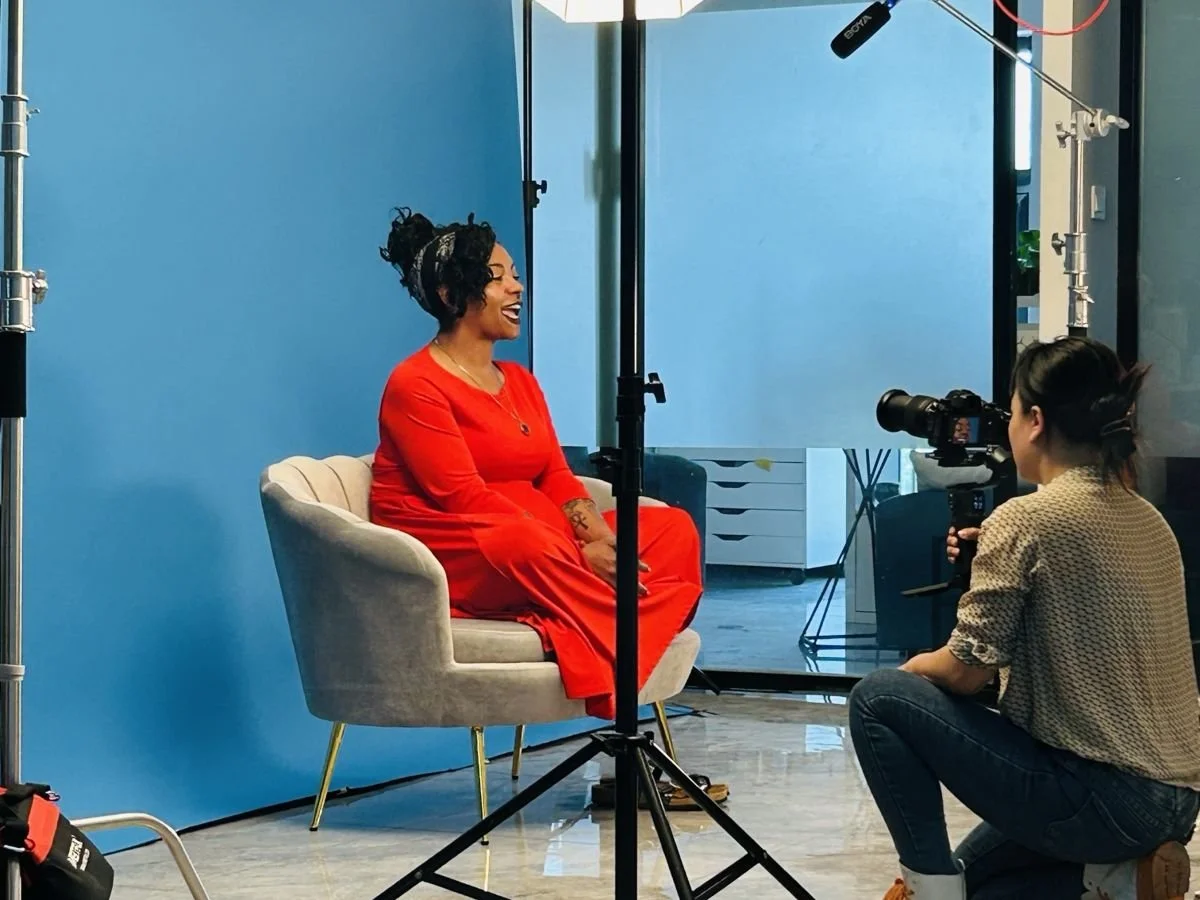 ▶Watch the film
A documentary short on belonging, diversity and acceptance, told through interviews with expats, educators and entrepreneurs in Beijing. Production: Ma Xiaoya.
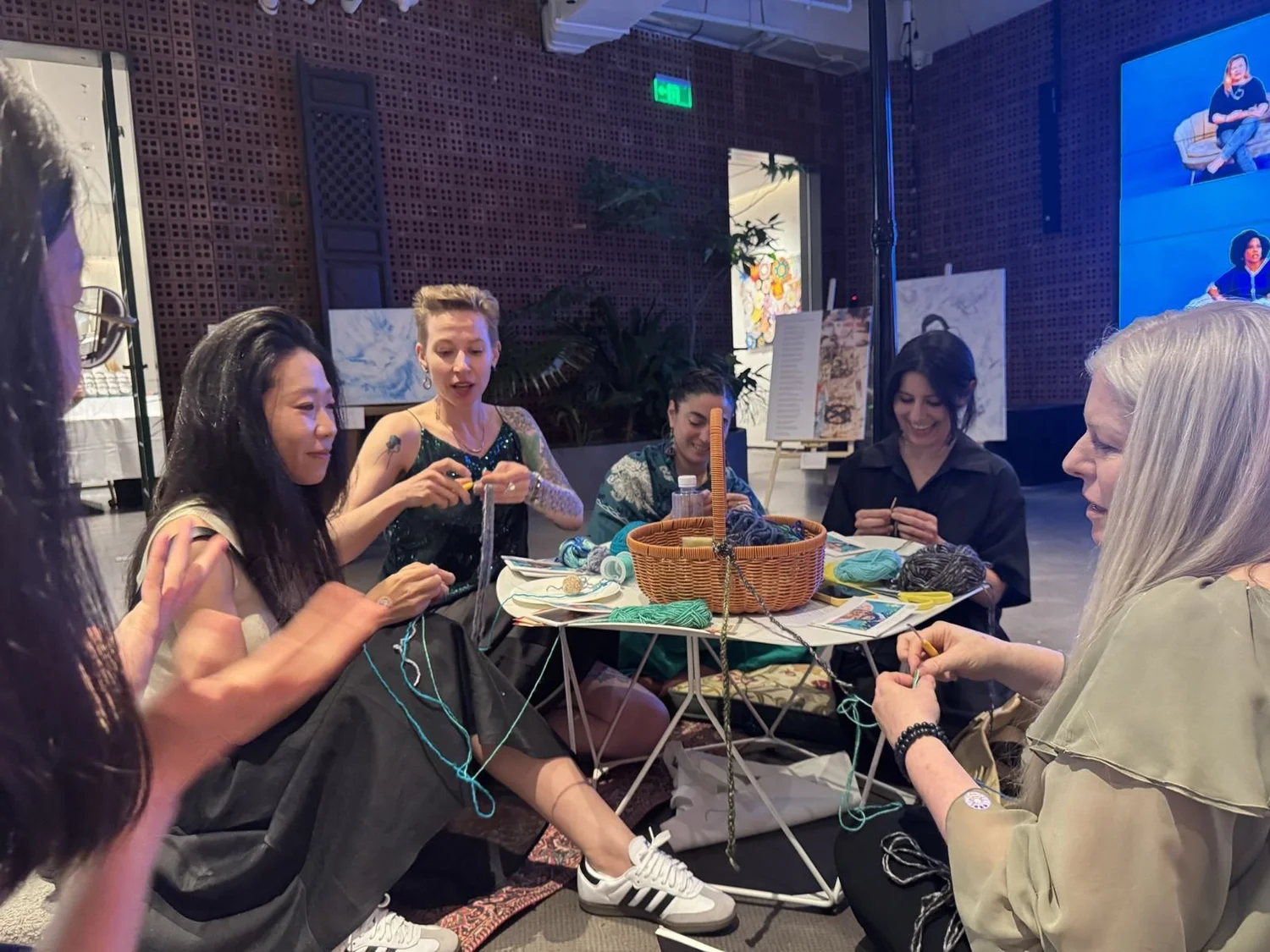 ExhibitionVoices of Light
A community art exhibition born from Race Equality Week, curated by Nicole Bonnah, with work by local and international artists, 200+ visitors, live storytelling and a collective crochet circle.
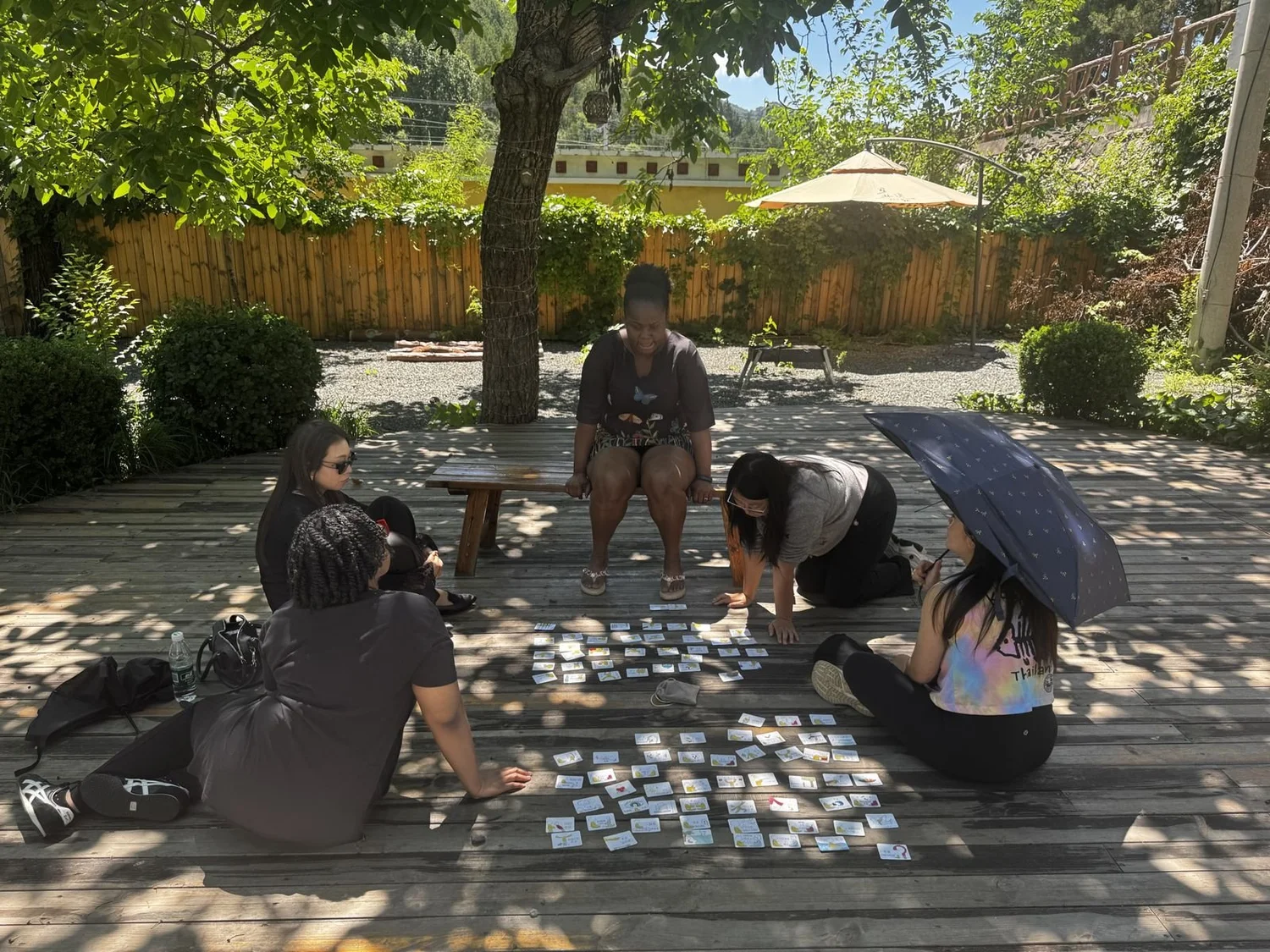 ▶Watch the video
Our first two-day retreat on trauma and belonging for globally mobile people.
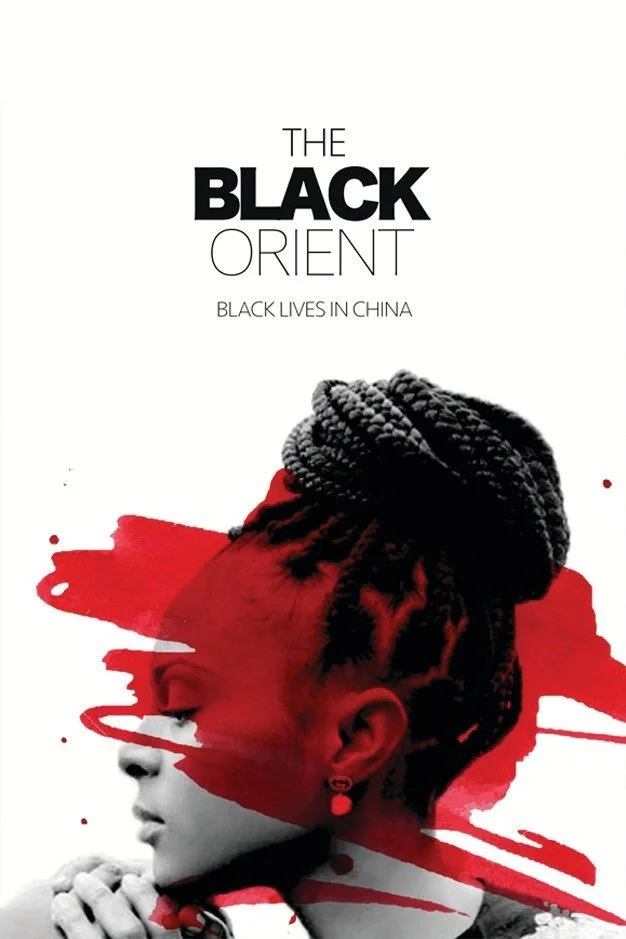 Documentary, 2016The Black Orient
Nicole's debut film on African and Afro-descendant communities in China.
Belonging isn't something we can simply teach our children. It is something we practice, experience, and create, starting with ourselves.
Co-facilitating with Nicole felt effortless. There was a real sense of trust, curiosity, and shared purpose in the room. What I loved most was seeing parents leave not with a list of things they should be doing, but feeling empowered and equipped with new strategies for how they can show up for themselves.
Kamara Coaxum DEI Lead, International School of Beijing. Co-facilitator, Rooted Response parent series"This event was a true relaxation for my body and my soul. The most important thing is that I found my answers."
Participant, The Weight of Elsewhere retreat
"I learned that we have to understand our own identity before we can help our children, and it's so important."
Parent, belonging workshop
"Thank you for not only providing the space, but creating a space that immediately felt warm, safe and welcoming."
Rachel, The Weight of Elsewhere retreat
"It was beautiful to see a space where parents had a chance to connect more deeply than the normal parent coffees create ground for."
Kathlyn Kocher Paananen, former DEI Lead, International School of Beijing
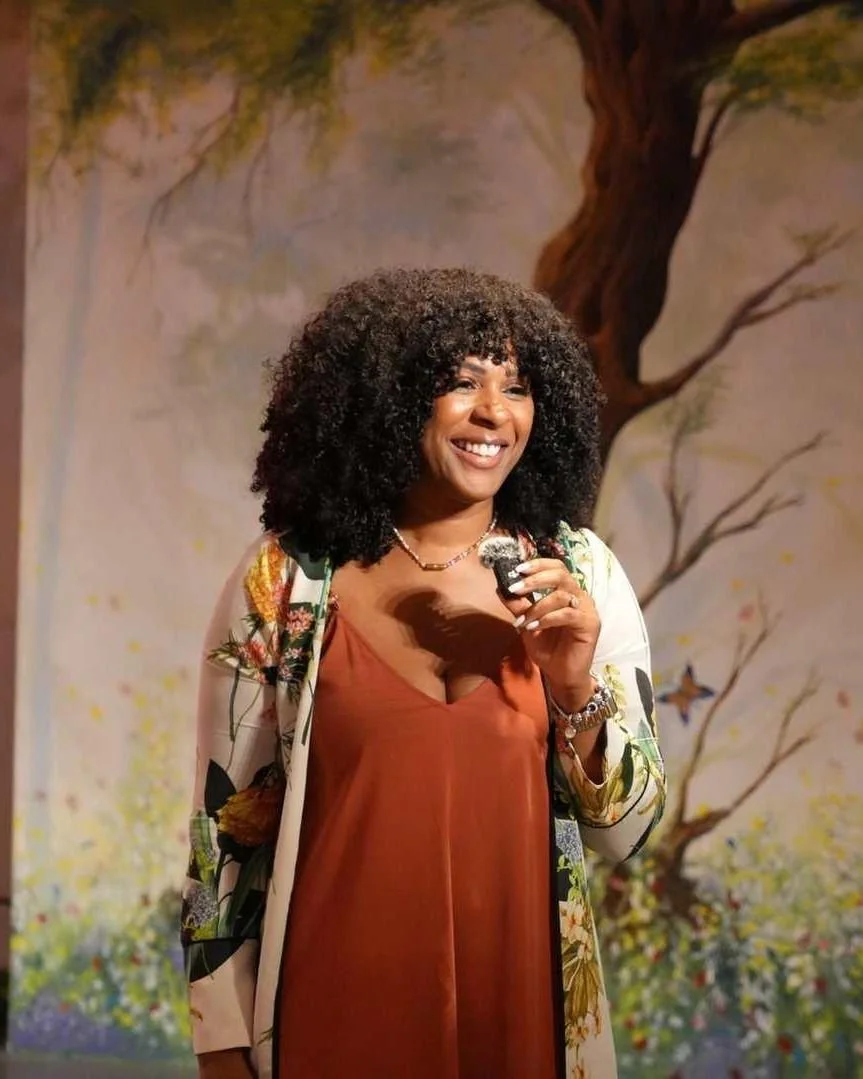
Nicole Bonnah
Journalist, IB educator, filmmaker and founder of Tap In Think Tank. Nicole has lived and worked in Beijing since 2013, first in newsrooms, then in international school classrooms.
She started Tap In after seeing, and living, the gap between what schools say about inclusion and what people actually experience. Today she brings together journalism, trauma-informed practice and community building to help schools close that gap.
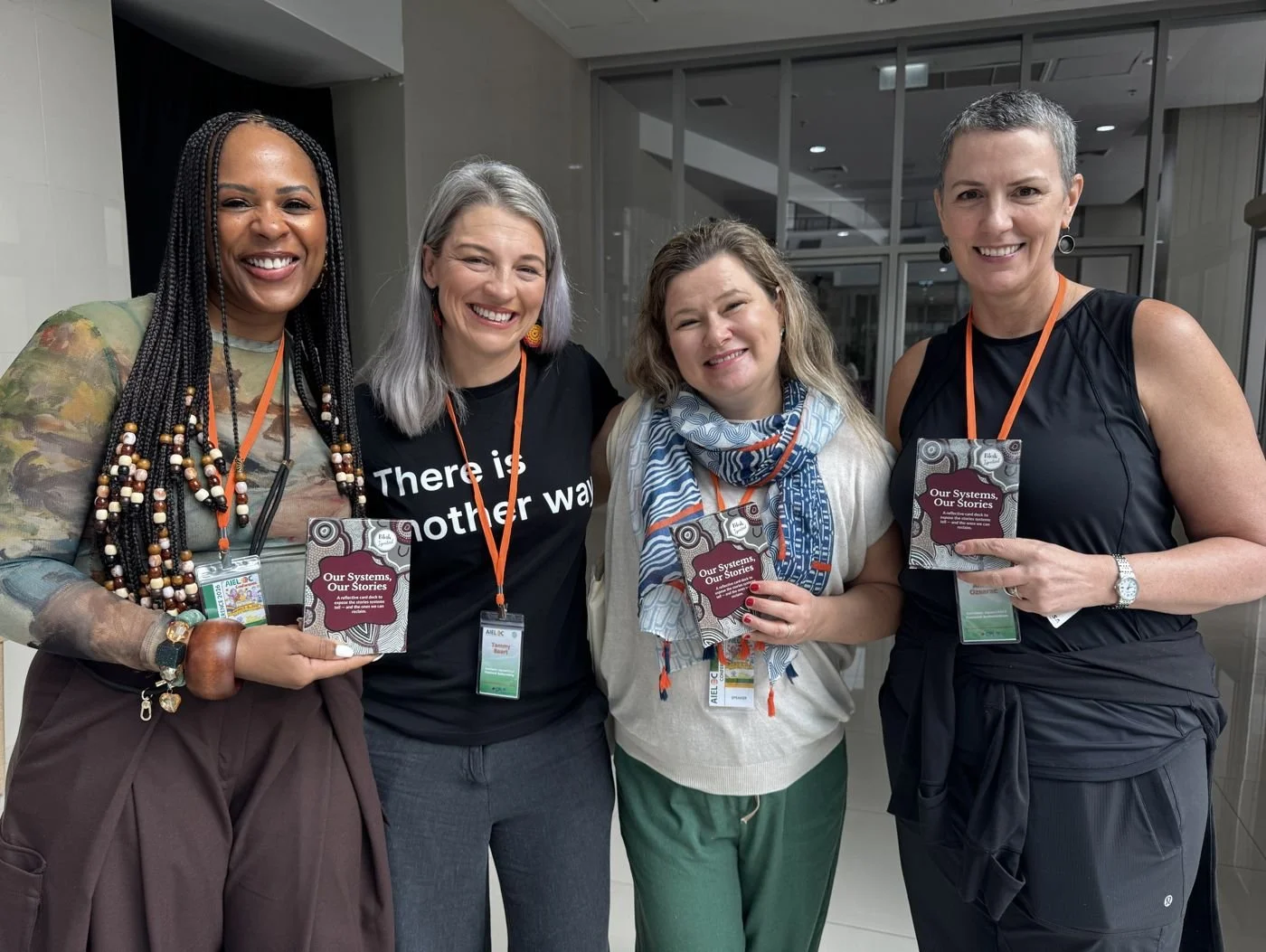
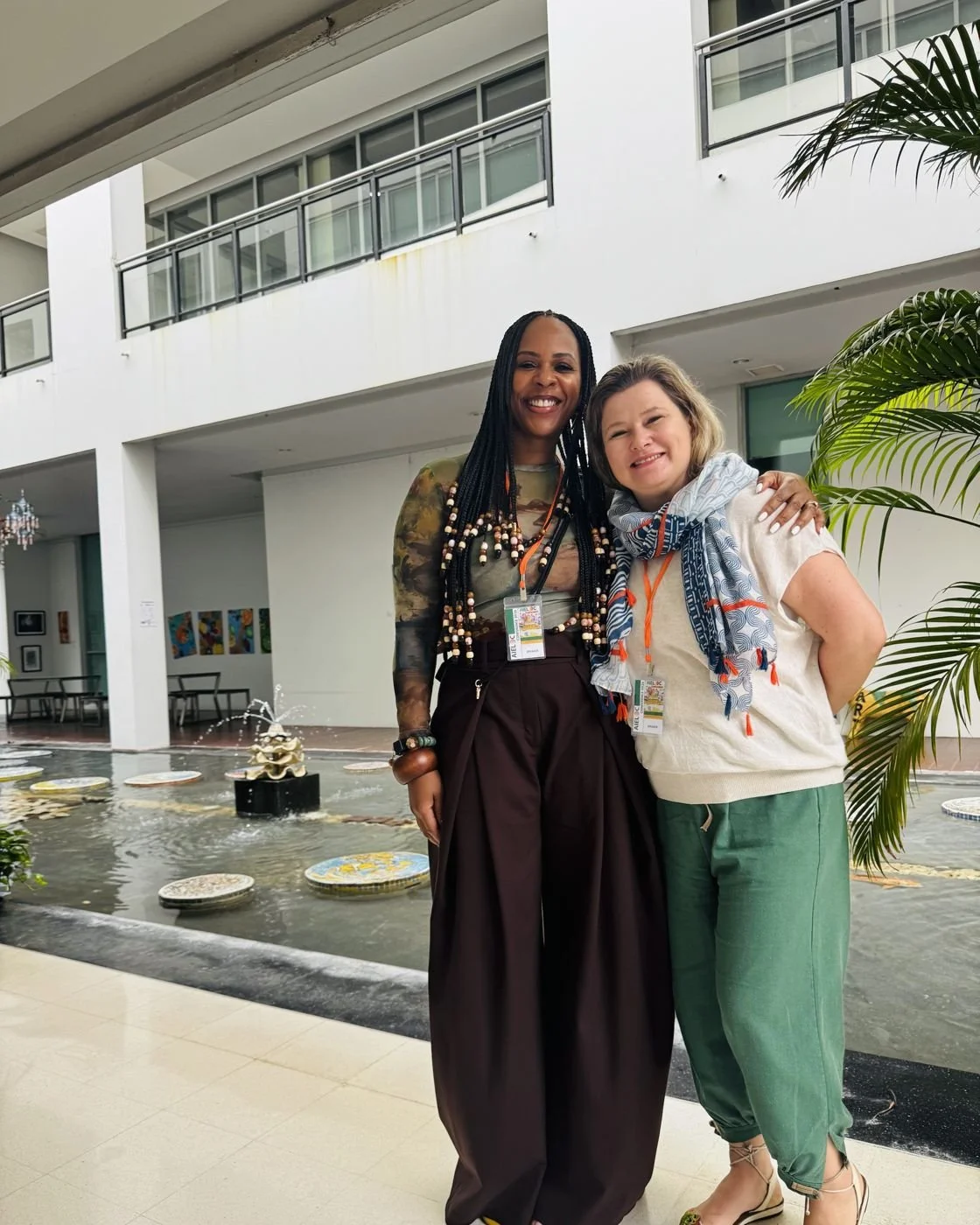
Recent stages: AIELOC Conference 2026 (Bangkok), SENIA Beijing, Q10 Equity in Education, AfricanISE Reimagined, Western Academy of Beijing.
As heard on: Identity Talk 4 Educators LIVE, Perspectives from The Informed Perspective and The China in Africa Podcast. Featured in SBS News.
Ready to tap in?
Tell us about your school, team or community. We will come back to you within two working days to arrange a conversation.
Based in Beijing. Working across Asia and beyond, including Singapore in 2027.